About
About the firm.
Wyoming Trust Attorney designs bespoke trust plans to keep your legacy intact through divorce, succession, illness, and the unexpected. Our attorneys bring more than four decades of combined experience across bankruptcy litigation, tax court, international tax, and trust design. The Wyoming Qualified Spendthrift Trust is the foundation of our domestic work. For clients whose lives or assets cross borders, we handle the offshore structuring those plans require.
Founding Attorney
Mark Pierce
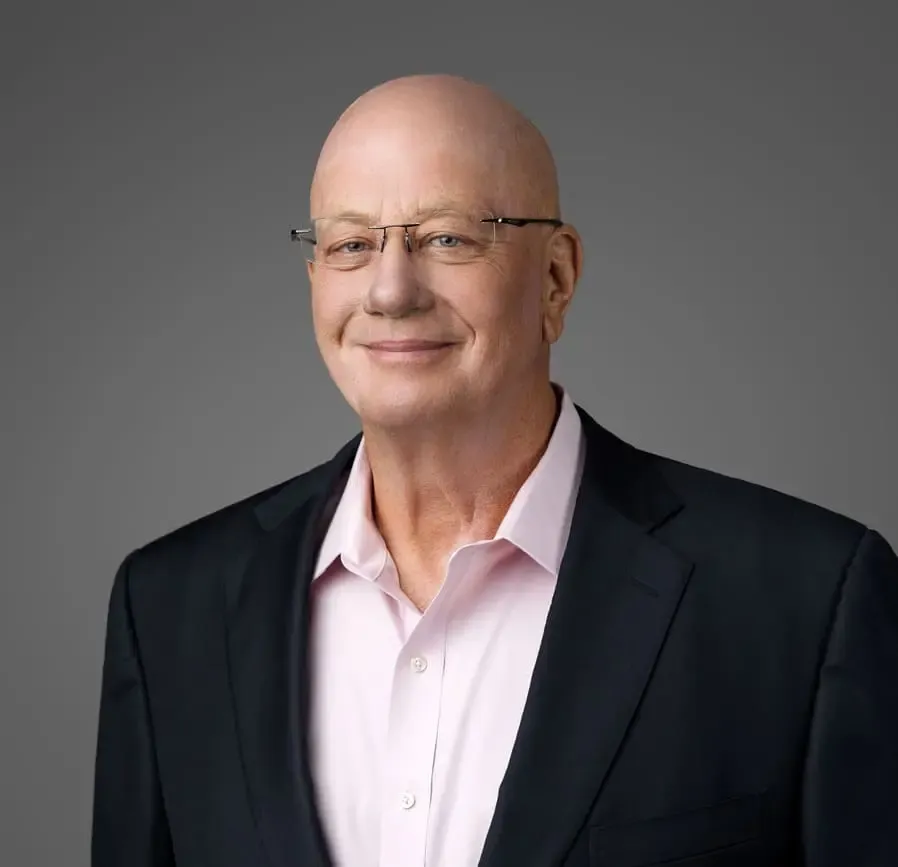
I watched my family's wealth destroyed by death taxes and divorce right before a huge upswing in the economy that would have overcome all of the difficulties we faced. Timing is everything, but you have to be prepared. We are in this business of saving legacies, small businesses, and the opportunities gained by the sweat equity of ourselves and our families. The people who built something real shouldn't lose it to bad timing, bad planning, or people who never worked for anything in their lives. That's what this practice is for.
I understand this at a level most trust attorneys don't, because I spent years on the other side. As a federal bankruptcy trustee for the District of Colorado, I administered over 1,000 cases. My job was to find assets and tear apart the structures protecting them. I know exactly how creditors think, where they look, and what holds up under that pressure. I also litigated securities fraud cases, defended clients in front of the IRS, and built three businesses, including one I grew from $2 million to $20 million in revenue before selling it in 2012 and another I grew from 0 to $30 million. I know what it means to have a legacy worth protecting. When I design a trust, I'm stress-testing it against everything I've seen go wrong.
The Background Behind the Work
Across accounting, litigation, private equity, business operations, and trust design. Each discipline informs how I protect clients today.
As a panel trustee for the District of Colorado, I learned exactly where trust structures fail under scrutiny. That knowledge goes into every trust I draft.
BS in Accounting from the University of Wyoming, passed the CPA exam on first sitting, and JD from the University of Colorado Law School, top 15% of class.
I grew a company from $2 million to $20 million in revenue, managed every aspect of it, and sold the business. Since then I've grown another from $0 to $30 million in revenue. I know what it feels like to have something worth protecting.
42 Years Across Accounting, Law, Business, and Litigation
Staff Accountant
Big 8 Accounting · 2 Years
I started where the money actually lives, structuring tax affirmative asset strategies and preparing returns. This is where I learned how the IRS evaluates wealth, and it shaped the way I still think about every trust I design: accountant first, attorney second.
Associate Attorney
National Law Firm · 3 Years
I focused on mergers and acquisitions for public companies and tax-free corporate reorganizations, which is the kind of high-stakes, high-complexity deal work where every vulnerability gets surfaced in due diligence. I saw how sophisticated entities structure their protections, and I saw how those protections get unwound when things go wrong.
Sole Practitioner
Private Practice · Nearly 9 Years
I litigated securities fraud cases for companies and individuals, tried federal tax cases, and took on the role that shaped my practice more than any other: Bankruptcy Trustee for the District of Colorado. Over the course of administering more than 1,000 cases, I became the person creditors sent to find hidden assets and dismantle trust structures. I learned every shortcut that gets exposed in court and every weakness attorneys leave in their work.
Officer
Private Equity · 9 Years
I focused on capital raising, operational turnarounds, and asset protection strategies for portfolio companies. I worked from inside businesses that had real money at stake and real exposure to lose it, and I also developed proprietary systems for telemarketing operations and helped transition catalog businesses to early internet commerce.
CEO
Operating Business · 8 Years
I grew this company from $2 million to $20 million in gross revenue, managed all aspects of operations, sales, and strategic growth, and sold the business in 2012. Running a company for eight years gives you a different relationship with asset protection because the risk stops being theoretical when your name is on the building.
Wyoming Trust Attorney
Trust & Asset Protection · Present
Everything I've done converges here. The accountant's understanding of how money moves, the litigator's instinct for where things break, the bankruptcy trustee's knowledge of where these structures hold and where they don't, and the business owner's perspective on what's actually at stake. I design trusts, private family trust companies, and multi-entity holding structures built to provide for you and your family through death, divorce, and unforeseen life circumstances.
Of Counsel
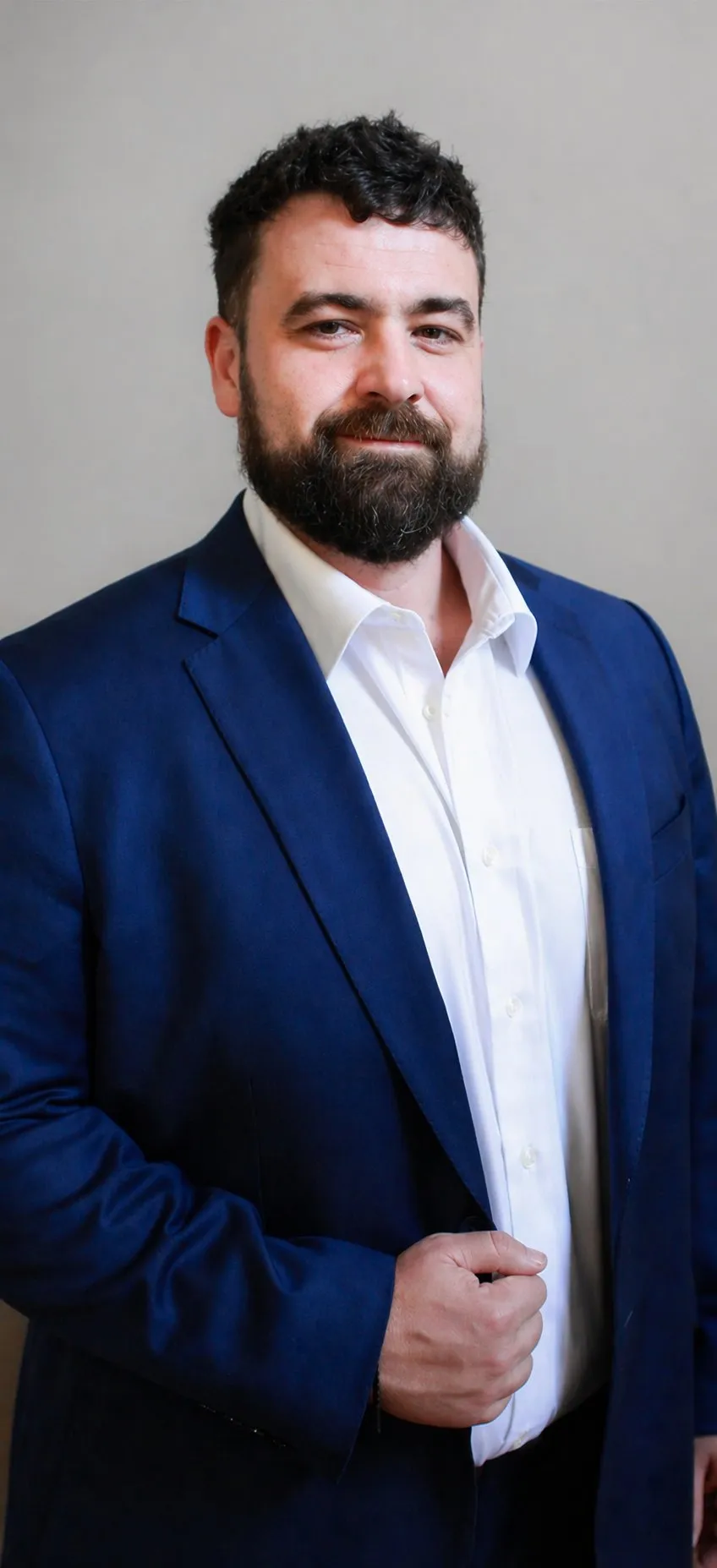
Yonathan Amselem
Licensed
Washington, DC · Bar No. 1023271
Practice
Client intake & plan design, international tax, cross-border legacy planning, FBAR & FATCA, expatriation, pre-immigration planning
Yonathan Amselem joins Wyoming Trust Attorney as Of Counsel. For most new clients, he is the first attorney they speak with. In the initial consultation, Yonathan reviews your situation, identifies what your plan actually needs to do, and maps out the structure that fits, whether that calls for Mark's Wyoming trust design, his own cross-border planning, or both attorneys working the matter together.
His own practice focuses on international tax and cross-border legacy planning: foreign trust structures, foreign account reporting (FinCEN 114, Forms 8938, 3520, 5471), pre-immigration and expatriation planning, and coordination with foreign counsel. He maintains working relationships in jurisdictions including the Cook Islands, Nevis, Liechtenstein, the Isle of Man, Switzerland, the UAE, Cayman, the BVI, Canada, the Bahamas, Costa Rica, and Belize.
His approach pairs well with Mark's: both attorneys believe trust structures should be built with the compliance and tax architecture in from day one, not bolted on afterward. Every matter Yonathan takes on receives direct attorney attention; he does not delegate core legal work to associates or paralegals.
For clients whose plans stop at the Wyoming state line, Mark leads the engagement. For clients whose plans cross borders, Mark and Yonathan work the matter together.
Outside Network
Specialists We Work With
A trust plan rarely lives in isolation. Annual tax filings, business-entity strategy, asset retitling, and the funding work that moves your assets into the trust all require specialists outside the firm's core legal practice. We refer clients to a small group of professionals we trust to do that work well.

Tax Strategy & Advisory
Thorne Advisors
A CPA firm led by Andrea Waymire, CPA. We refer clients to Thorne Advisors for ongoing tax strategy, tax preparation, and the entity-level planning that keeps a trust structure tax-efficient and compliant year after year. Their team handles the financial work that surrounds a trust, so the legal structure and the tax architecture stay aligned over time.
Trust Funding
Jonathan Feniak, Esq.
The funding specialist we refer clients to once a trust is established. Jonathan handles the titling and asset transfers that move your wealth into the trust, including deed work for real property and other complex transfers.
What to Look for Before You Hire a Trust Attorney
Here is what matters when evaluating a trust attorney. You should hold anyone you're considering to this standard, including us.
A Background That Fits the Work
Trust work involves deciphering tax code, calculating probabilities, and understanding financial mechanics. Look for accountants, mathematicians, or statisticians who went on to law school, because they understand how the numbers actually work before the legal theory comes into play.
✓ Mark started as an accountant with a BS in Accounting from the University of Wyoming and a minor in Statistics. He passed the CPA exam on his first sitting before going to law school. The numbers side of trust work has always been native to how he thinks.
At Least 20 Years of Practice
Trust structures get tested over decades, not months. You need someone who has seen multiple economic cycles, changing legislation, and enough client situations to recognize patterns before they become problems.
✓ Mark has been practicing for over 42 years across accounting, litigation, private equity, business operations, and trust design. Yonathan brings a focused practice in international tax and cross-border trust law. Between the two attorneys, the firm covers every discipline a complex trust matter touches.
Bankruptcy and Creditor Experience
Trust structures get tested in court by beneficiaries, family members, and anyone who wants to challenge them. If your attorney has never seen one of these structures fail under that kind of scrutiny, they don't fully understand what they're building.
✓ Mark served as a panel bankruptcy trustee for the District of Colorado and administered over 1,000 cases. He was the person on the creditor's side, finding assets and dismantling structures. That experience is the foundation of everything the firm builds now.
Genuine Tax Expertise
A CPA background matters. Tax court experience matters more. IRS audit defense is where it all gets real. The tax implications of trust structures are where most attorneys quietly get things wrong, and clients don't find out until it costs them.
✓ Mark is a licensed CPA, has litigated federal tax cases, and has defended clients through IRS audits. Yonathan adds specialized international tax expertise for clients with cross-border exposure. Between the two, trust design and tax planning stay integrated, which is how the firm avoids the mistakes that show up when they're separated.
They Handle the Funding or Bring Someone Who Does
A trust is an empty box until your assets are inside it. Many firms draft the documents and leave you to figure out the transfers yourself. The firm should either handle funding directly or bring a qualified specialist to the table.
✓ The firm works with Jonathan Feniak, Esq., who specializes in trust funding, titling, and asset transfers. For straightforward transfers, that coordination is built into the process. For more complex situations involving real property or land trusts, there may be additional cost depending on what's involved, but the work gets done.
Ongoing Maintenance and Reviews
Laws change and your situation changes. If the firm doesn't offer a maintenance contract and a formal annual review program, keep looking. A trust that isn't maintained will eventually fail when you need it most.
✓ The firm offers maintenance contracts and conducts formal reviews every year, and reaches out proactively when legislative changes affect clients' trusts rather than waiting for them to call.
Red Flags to Avoid
"Our standard template is one size fits all."
Your situation, your family, your assets, and your risks are specific to you. A template trust is a trust that wasn't designed to protect anyone in particular.
"We don't do funding."
An unfunded trust is a box with nothing in it. If they draft the documents but don't help move your assets in, you're paying for paper.
"We don't do tax planning."
Trust structures and tax planning are inseparable. If your attorney isn't thinking about the tax implications of every decision, they're leaving both money and protection on the table.
Thirty Minutes Is All It Takes to Find Out Where You Stand
Schedule a confidential consultation to review your specific situation, identify where you're exposed, and lay out what protection actually looks like for someone in your position.