Estate planning documents often mention sub trusts without fully explaining what they are or how do sub trusts work. These secondary trusts play important roles in distributing assets, minimizing taxes, and protecting beneficiaries. Understanding sub trusts helps you appreciate what happens to your estate plan after you’re gone and helps you evaluate whether your plan includes the right provisions for your family’s needs.
What Is a Sub Trust?
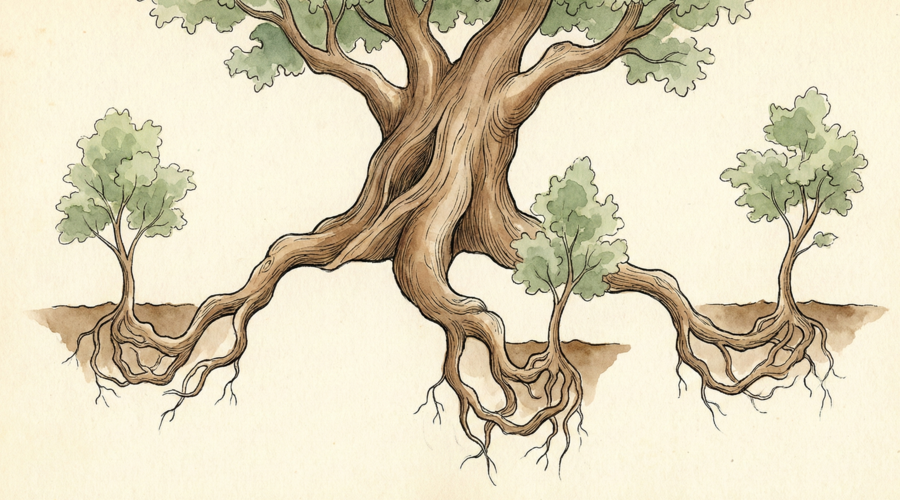
A sub trust is a secondary trust created under the umbrella of a primary trust or will. It functions as a trust within a trust, designed for specific purposes or beneficiaries within the broader estate plan. The primary trust acts as the initial container for assets, and the sub trust serves as a compartment within that container with its own terms and purposes.
Sub trusts don’t exist from the moment you sign your estate planning documents. Instead, they come into existence when triggered by an event specified in the primary trust, usually the death of the grantor or a spouse. At that point, the trustee divides assets according to your instructions and funds the sub trusts as directed.
The American Academy of Estate Planning Attorneys explains that sub trusts may be created under a trust or a will. Regardless of whether the original document is a living trust or a testamentary arrangement, different sub trusts can be created to serve specific purposes for your beneficiaries.
When Sub Trusts Are Created
Understanding how do sub trusts work requires knowing when they activate. The triggering event depends on your estate plan’s design. For married couples with joint trusts, sub trusts typically activate when the first spouse dies. For individuals with living trusts, sub trusts usually activate at the grantor’s death.
The trustee has specific duties once a triggering event occurs. They must follow the trust document’s instructions for dividing assets among the various sub trusts. This process is called trust administration, and it involves valuing assets, making proper allocations, and establishing separate accounting for each sub trust.
Some sub trusts continue for extended periods. A sub trust for a minor child might continue until the child reaches a specified age like twenty-five or thirty. A sub trust designed for asset protection might continue for the beneficiary’s entire lifetime. The duration depends entirely on the terms you establish.
Survivor’s Trust and Bypass Trust
The most common sub trusts appear in estate plans for married couples and are often called the Survivor’s Trust and the Bypass Trust. Some estate planners refer to these as Trust A and Trust B, giving rise to the term A/B Trust for plans using this structure.
The Survivor’s Trust, or Trust A, receives all the surviving spouse’s assets. These typically include the surviving spouse’s half of community property and their separate property. The surviving spouse maintains full control over the Survivor’s Trust and can amend or revoke it, change beneficiaries, and use the assets however they wish.
The Bypass Trust, or Trust B, receives assets from the deceased spouse’s share, up to the federal estate tax exemption amount. The deceased spouse’s assets pass into this irrevocable trust, which provides benefits to the surviving spouse during their lifetime but ultimately passes to the children or other beneficiaries designated by the first spouse to die. Because these assets are held in trust rather than passing outright to the surviving spouse, they bypass estate taxation when the surviving spouse later dies.
Marital Trust Provisions
For couples with larger estates, a third sub trust called the Marital Trust or QTIP Trust may come into play. This trust receives assets from the deceased spouse that exceed the estate tax exemption amount. The assets qualify for the marital deduction, meaning they aren’t taxed at the first spouse’s death, but they will be included in the surviving spouse’s estate.
The Marital Trust provides income to the surviving spouse during their lifetime, but the deceased spouse’s wishes control where the assets ultimately go. This feature proves particularly valuable in blended families where each spouse wants to provide for the surviving spouse while ensuring their children eventually receive their inheritance.
Many estate plans include Marital Trust provisions even when the couple’s assets don’t currently exceed the exemption amount. This planning accounts for potential asset growth and changes in tax law that might reduce the exemption.
Children’s Sub Trusts
Sub trusts for children address the challenge of leaving assets to young or financially immature beneficiaries. Rather than distributing assets outright when a child reaches eighteen or twenty-one, these sub trusts hold assets until the child reaches an age you specify or achieves milestones you consider important.
A children’s sub trust might distribute one-third of assets at age twenty-five, another third at thirty, and the remainder at thirty-five. Or it might provide for education and support until age thirty, then distribute the balance. The flexibility allows you to customize arrangements based on each child’s circumstances and your assessment of their readiness.
The trustee of a children’s sub trust manages assets and makes distributions according to your instructions. You might authorize distributions for health, education, maintenance, and support, giving the trustee discretion to determine what those terms mean in practice. Spendthrift provisions typically protect these sub trusts from the child’s creditors.
Pot Trusts for Multiple Children
Families with several minor children sometimes use a pot trust structure instead of immediately dividing assets into separate shares. A pot trust keeps all assets in one pool until a specified event occurs, such as when the youngest child reaches a certain age or completes college.
The pot trust approach ensures that each child’s needs can be met regardless of which child needs more at any given time. If one child faces significant medical expenses or educational costs, the trustee can use pot trust assets to cover those needs.
Once the pot trust terminates, remaining assets divide into separate shares or separate sub trusts for each child.
Beneficiary Sub Trusts for Asset Protection
Some estate plans create ongoing sub trusts that hold each beneficiary’s inheritance throughout their lifetime. These beneficiary sub trusts, sometimes called dynasty trusts or asset protection trusts, provide long-term protection against creditors, lawsuits, and divorce.
When a beneficiary’s inheritance remains in a sub trust rather than being distributed outright, the assets aren’t considered the beneficiary’s property for creditor purposes. The assets remain separate from marital property, and the trustee controls access, preventing poor financial decisions.
A beneficiary can often serve as trustee of their own sub trust once they reach a certain age, giving them practical control while maintaining the formal structure that provides protection.
Special Needs Sub Trusts
Beneficiaries with disabilities require special planning to avoid disrupting government benefits. A special needs sub trust, sometimes called a supplemental needs trust, provides for a disabled beneficiary’s needs beyond what government programs cover without disqualifying them from those programs.
The trustee can pay for recreation, education, therapy, transportation, and other expenses that improve the beneficiary’s quality of life. The trustee cannot make distributions that would count as income or resources for benefits eligibility. Special needs sub trusts typically continue for the beneficiary’s entire lifetime and require trustees with specific knowledge of benefits programs.
Creating and Funding Sub Trusts
The process of creating sub trusts begins with language in your estate planning documents that authorizes and describes them. Your attorney drafts provisions specifying what sub trusts will be created, what triggers their creation, what assets they receive, who serves as trustee, and what terms govern distributions.
Funding sub trusts happens after the triggering event through trust administration. The trustee determines the value of available assets, calculates each sub trust’s share based on the funding formulas in your documents, and allocates specific assets to each sub trust.
Sub trusts require their own tax identification numbers and may need to file separate income tax returns. The administrative burden increases with the number of sub trusts, which is one reason estate planners balance the benefits of multiple sub trusts against the costs of maintaining them.
Conclusion
Understanding how do sub trusts work reveals the sophisticated mechanisms estate planners use to protect families and accomplish specific goals. Sub trusts activate at defined triggering events, receive assets according to funding formulas, and operate under terms you establish in your primary documents. Whether you need survivor’s and bypass trusts for tax planning, children’s sub trusts for age-appropriate distributions, or beneficiary sub trusts for long-term asset protection, these flexible tools help ensure your estate accomplishes your objectives for generations to come.