If you have ever wondered what is trust in simple words, you are not alone. Legal terminology can make straightforward concepts sound complicated. At its core, a trust is simply an arrangement where one person holds and manages property for someone else’s benefit.
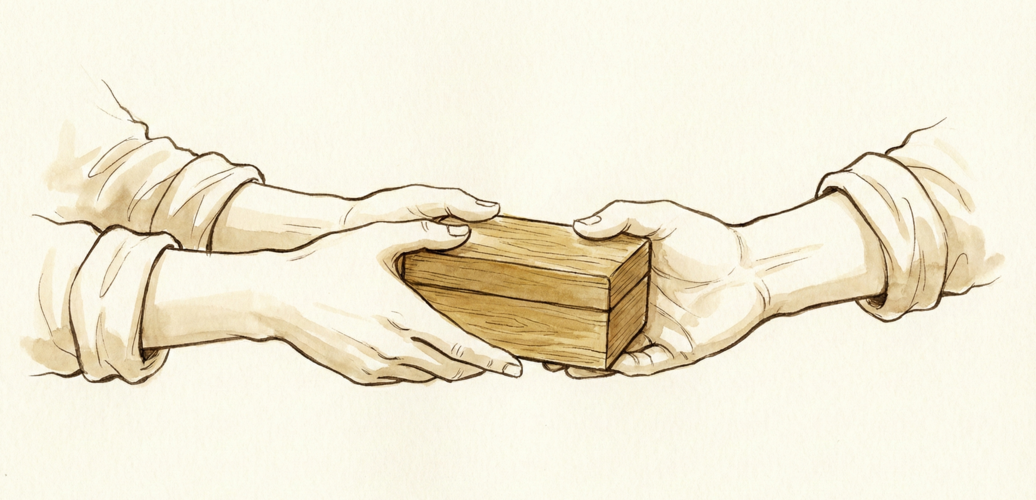
Think of a trust like a safety deposit box with rules attached. You put valuable things in the box, pick someone reliable to hold the key, and write instructions about who can use what is inside and when they can access it.
The Three People in Every Trust
Every trust involves three roles. Sometimes one person fills multiple roles, but understanding all three helps explain how trusts work.
The grantor (also called the settlor or trustmaker) creates the trust and puts property into it. This is the person whose property and wishes drive the arrangement. When you set up a trust, you are the grantor.
The trustee holds legal title to the property and manages it according to the trust instructions. The trustee has a legal duty called fiduciary responsibility to act in the best interests of the beneficiaries, not for personal gain. A trustee can be an individual or an institution like a bank.
The beneficiary receives the benefits of the trust property. Beneficiaries might get income from the trust, use of trust property, or eventual distribution of the assets. There can be multiple beneficiaries, and different beneficiaries might receive benefits at different times.
What a Trust Actually Does
According to the Legal Information Institute at Cornell Law School, a trust creates a right to beneficial enjoyment of property held by another party who actually holds legal title. This separation of legal ownership from beneficial ownership is what makes trusts useful.
When you own property outright, you have both legal title and the right to benefit from the property. When property goes into a trust, the trustee holds legal title while the beneficiary holds what is called equitable title, the right to benefit from the property.
This split creates flexibility. The trustee can manage investments, pay taxes, and handle paperwork while the beneficiary simply receives the benefits without those responsibilities.
Why People Create Trusts
People create trusts for several practical reasons.
Avoiding probate is one of the most common motivations. When you die, property you own personally typically goes through probate, a court-supervised process that can take months or years. Property in a trust passes directly to beneficiaries without court involvement.
Managing property during incapacity protects you if you become unable to handle your own affairs. If you are the trustee of your own trust and become incapacitated, a successor trustee can step in immediately without court proceedings.
Controlling how beneficiaries receive property lets you set conditions. You might want a child to receive money gradually rather than all at once at age eighteen. A trust can distribute funds for education at one age, living expenses at another, and the remaining balance later.
Protecting assets from creditors, lawsuits, or a beneficiary’s poor financial decisions is possible with certain trust structures. Spendthrift trusts, for example, prevent beneficiaries from accessing or assigning their interest before distributions are made.
Maintaining privacy keeps your affairs out of public records. Probate proceedings are public, but trust administration typically is not.
Revocable vs. Irrevocable Trusts
Trusts come in two basic varieties based on whether the grantor can change or cancel them.
A revocable trust (often called a living trust) can be modified or terminated by the grantor at any time during the grantor’s lifetime. You maintain complete control, can change beneficiaries, take property back out, or dissolve the trust entirely. Most estate planning trusts are revocable.
Because you keep control, a revocable trust does not provide asset protection during your lifetime. Creditors can reach trust property just as they could reach property you own personally. For tax purposes, the IRS treats revocable trust property as still belonging to you.
An irrevocable trust generally cannot be changed or terminated once created. You give up control of the property permanently. In exchange, irrevocable trusts can provide asset protection from creditors, remove property from your taxable estate, and shelter assets for beneficiaries.
Some irrevocable trusts have limited flexibility through provisions allowing trustees to make certain modifications or through trust protector provisions, but the basic trade-off between control and protection remains.
Common Types of Trusts
Beyond the revocable and irrevocable distinction, trusts come in many specialized varieties.
A testamentary trust is created by your will and does not exist until you die. Unlike a living trust, a testamentary trust does not avoid probate because the will itself must go through probate.
A special needs trust holds assets for a beneficiary with disabilities without disqualifying them from government benefits like Medicaid or Supplemental Security Income.
A spendthrift trust restricts beneficiaries from transferring their interest and protects trust assets from beneficiaries’ creditors.
A charitable trust benefits a charitable organization or cause rather than individual beneficiaries. You receive a tax deduction for the donation, and the trust assets support the charitable purpose you designate.
How a Trust Works in Practice
Here is a simplified example of a revocable living trust in action.
You create a trust, naming yourself as both grantor and initial trustee. You transfer your house, bank accounts, and investment accounts into the trust. The trust document names your spouse as successor trustee and your children as beneficiaries.
During your lifetime, nothing really changes. You continue living in your house, spending your money, and managing your investments. The trust is simply the vehicle that holds title to these assets.
If you become incapacitated, your spouse steps in as trustee without any court proceedings. Your spouse can pay your bills, manage your investments, and handle your affairs using the trust assets.
When you die, your spouse distributes the trust property to your children according to the trust instructions. No probate is required for assets held in the trust. Your children receive their inheritance privately and usually more quickly than they would through probate.
Creating a Trust
Creating a trust requires a written document (the trust agreement) that identifies the grantor, trustee, and beneficiaries, describes the trust property, and sets out the rules for managing and distributing that property.
While simple trusts exist, most trusts benefit from professional drafting. The trust document needs to comply with state law requirements and should address various contingencies. An attorney can help ensure the trust accomplishes your goals and integrates properly with the rest of your estate plan.
After creating the trust document, you must actually transfer property into the trust. This process, called funding the trust, might involve changing the title on real estate, retitling bank and investment accounts, and assigning other property to the trust. A trust that exists only on paper, without property transferred into it, accomplishes nothing.
When a Trust Makes Sense
Trusts are not necessary for everyone, but they make sense in many situations.
You should consider a trust if you own real estate, want to avoid probate, are concerned about incapacity planning, have minor children, have beneficiaries who cannot manage money responsibly, want privacy in your estate administration, or have a blended family with complex inheritance wishes.
A basic will might be sufficient if you are young with few assets, rent rather than own your home, and have a straightforward family situation.
An estate planning attorney can help you determine whether a trust fits your circumstances and which type of trust best meets your needs.